Hilltop
Polymetallic CRD Project
Executive Summary
The Tem Piute Project is a historic silver district in Lincoln County, Nevada, where past mining reportedly produced ore grading 400–2,500 g/t silver. Known mineralization extends across roughly 3 kilometers and includes silver with locally significant lead and zinc. Despite this scale and grade, exploration has been limited and the district has never been systematically tested using modern methods. Nevada Legacy envisions the potential to define the continuity of the known silver zones and evaluate the potential for larger mineralized bodies at depth. The Tem Piute Project is available for sale or option.
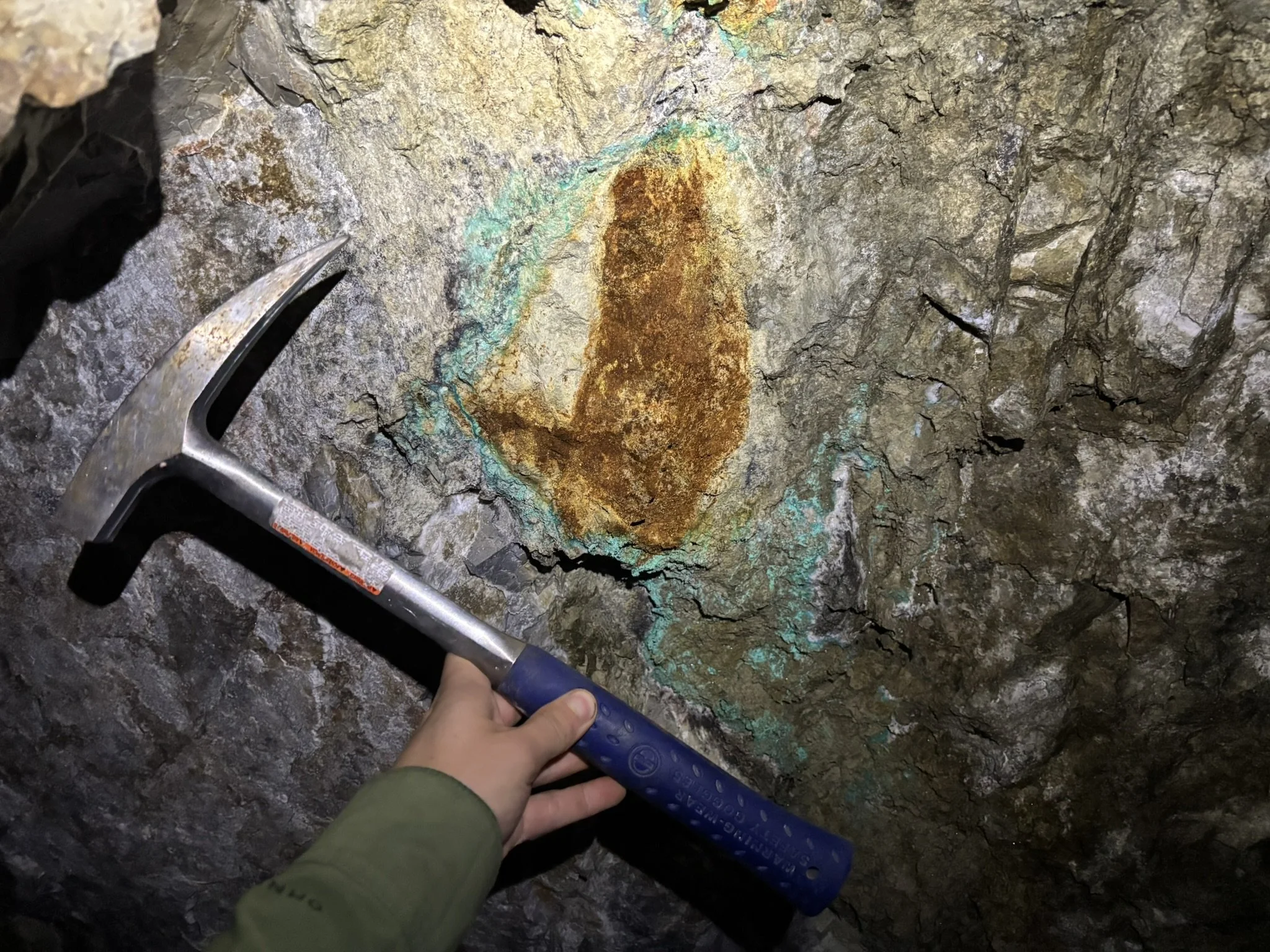
Pod of polymetallic mineralization inside the Kasper Tunnel at the Hilltop project.
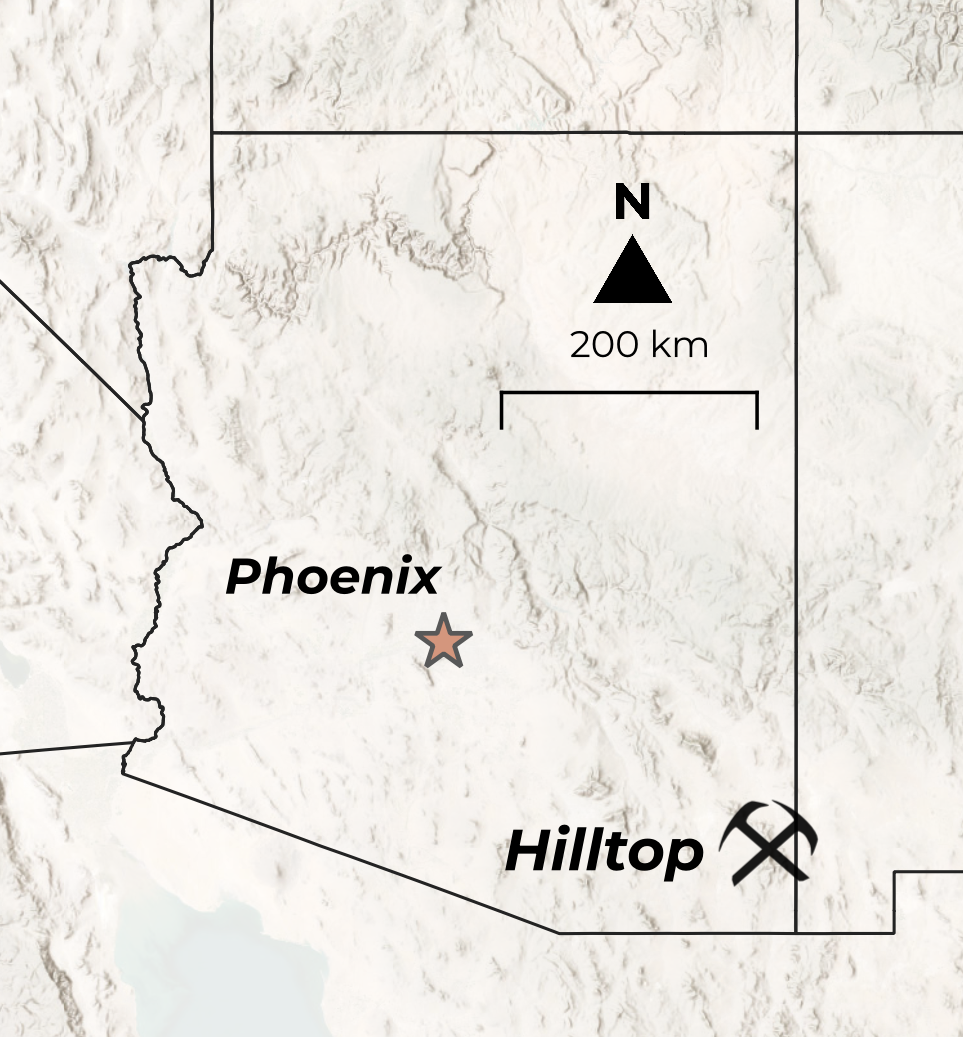
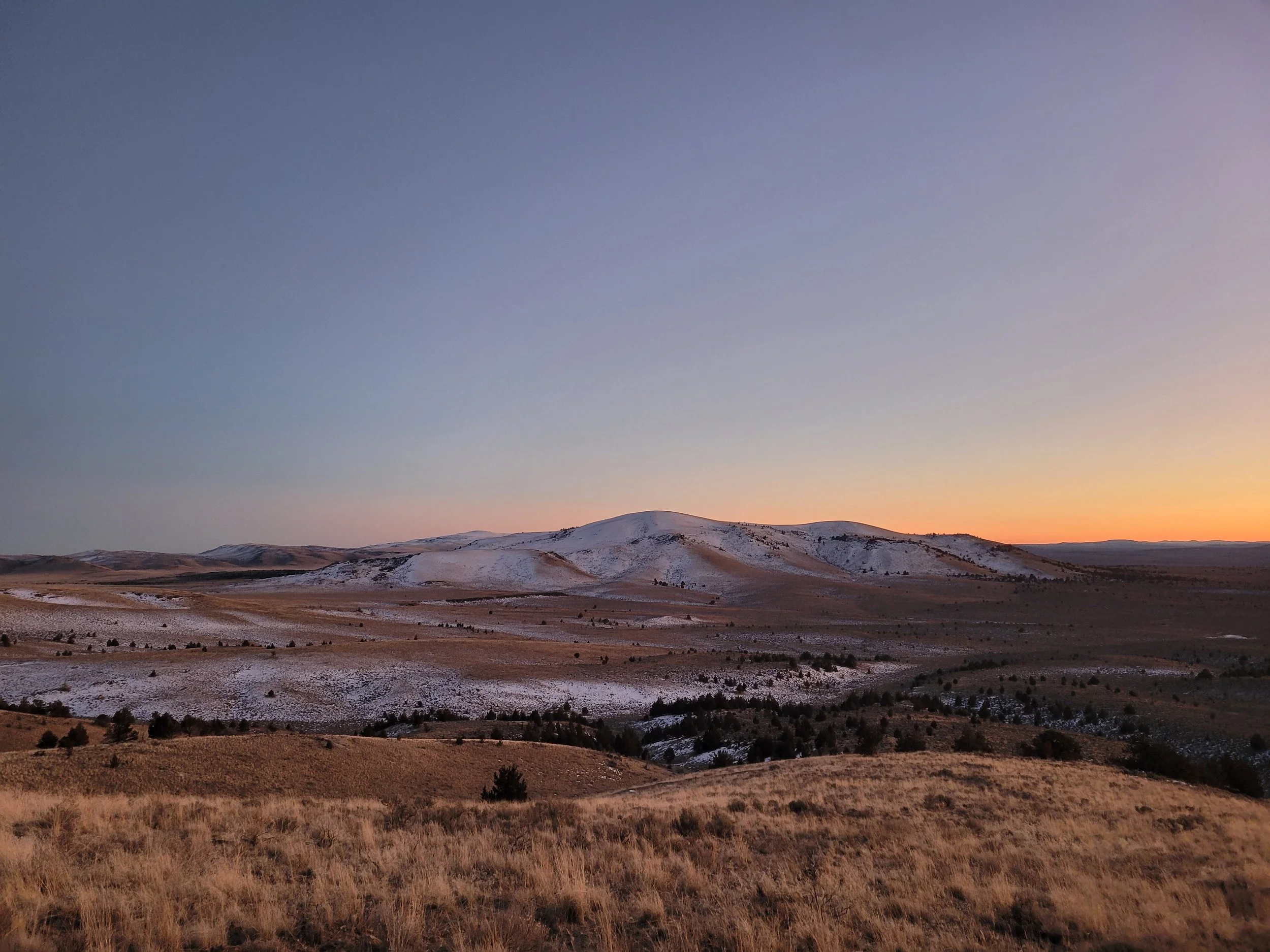
Location of the Hilltop Polymetallic CRD project in Eastern Arizona.
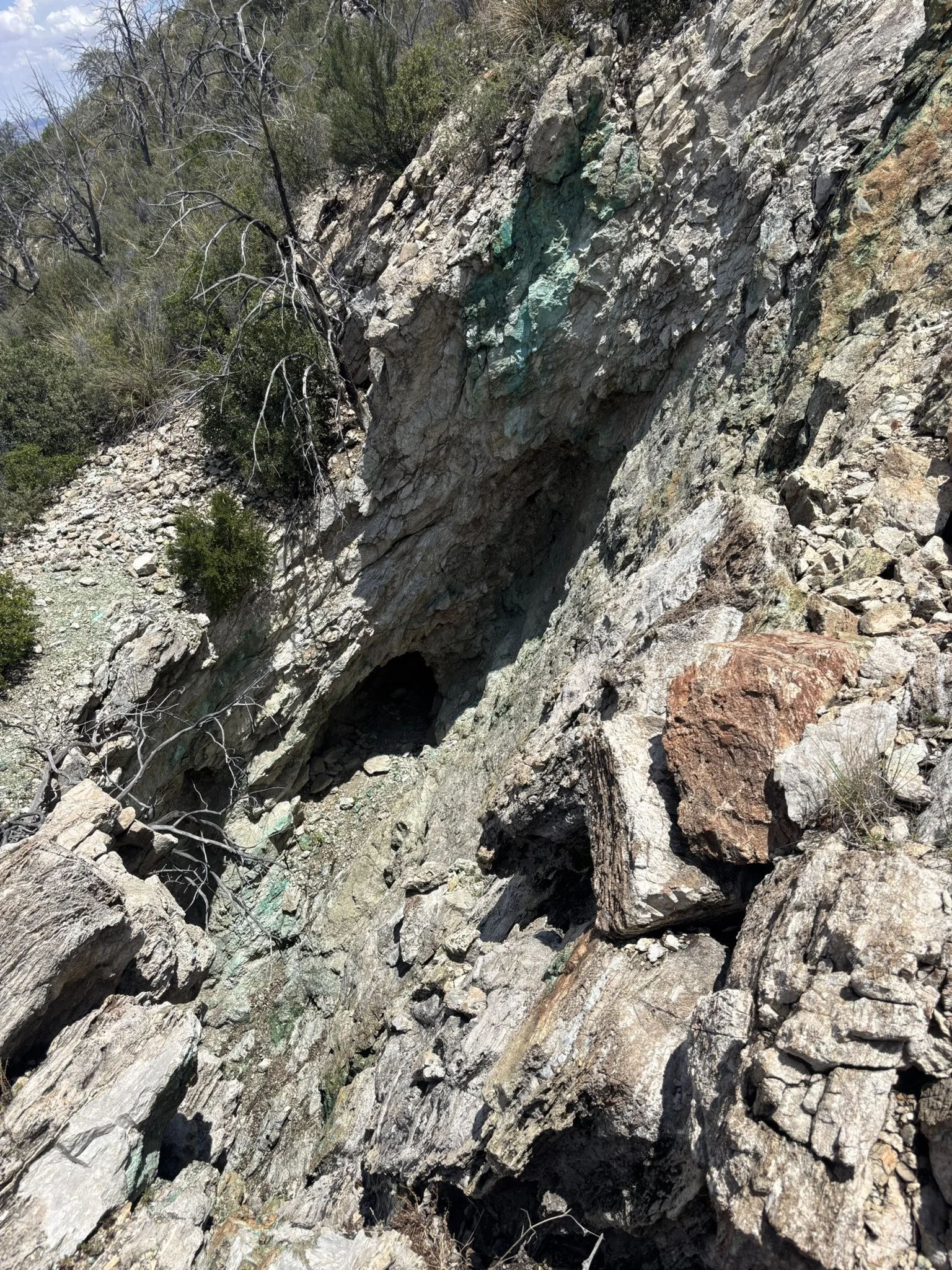
Historical stope targeting copper oxide mineralization in the vicinity of the Hilltop project.
Highlights
• Commodity: Silver
• Deposit Type: High-Grade Silver Veins with Carbonate Replacement Deposit (CRD) Potential
• Location: Lincoln County, Nevada
• Historic Grades: 400–2,500 g/t Ag
• Mineralized Strike Length: Approximately 3 km
• Status: Available for Option or Sale
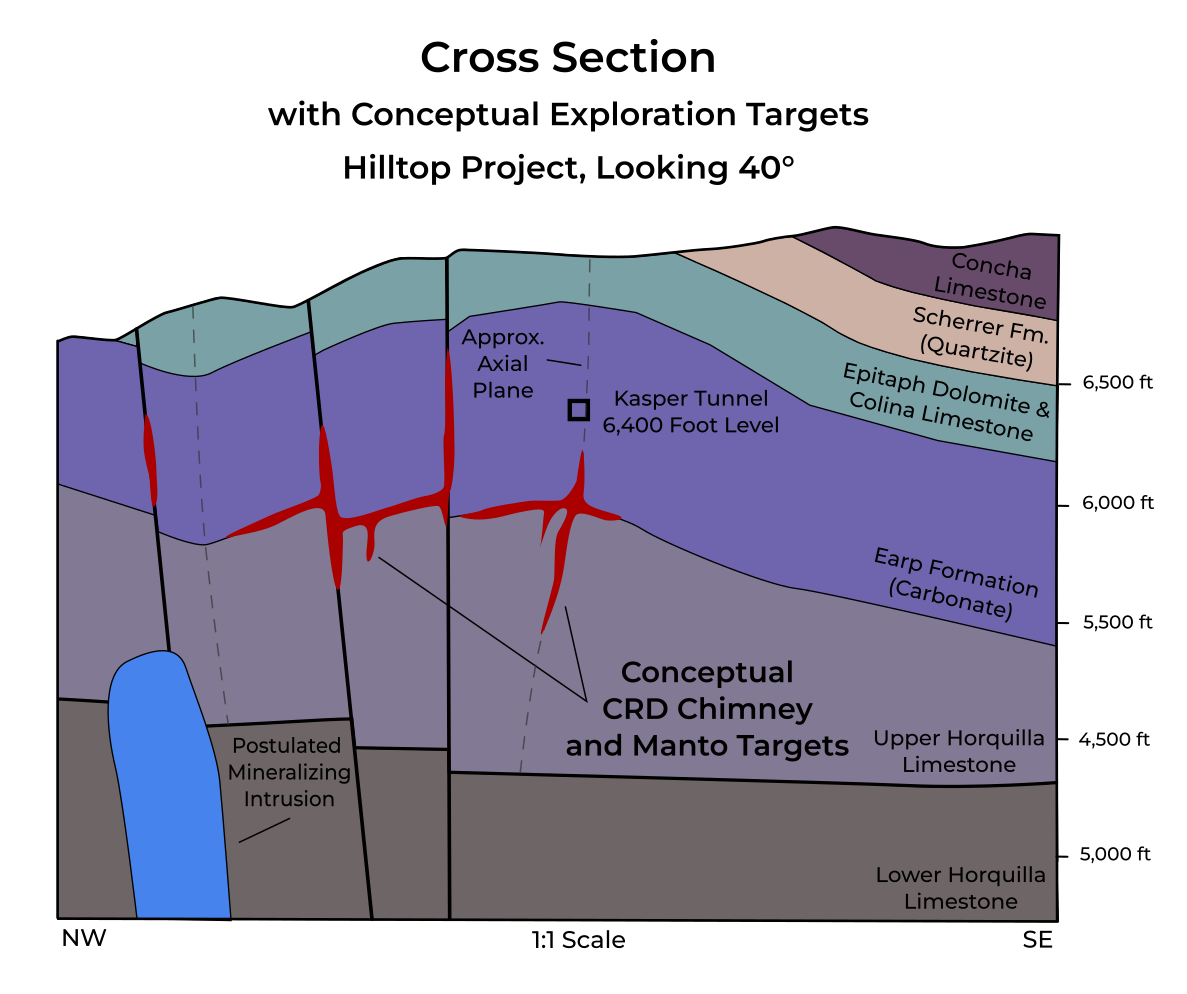
Cross-section of the CRD target concept at Hilltop, highlighting the importance of NE-striking high angle faults and NE-striking axial planes as controls on mineralization.
Project Overview
The Tem Piute Silver Project is located in the historic Tem Piute Mining District of Lincoln County, Nevada, approximately 10 km east of Rachel and 170 km northwest of Las Vegas. The project encompasses a historically productive high-grade silver district that produced exceptionally rich ore between 1869 and the early twentieth century, with reported mined grades ranging from approximately 400 to 2,500 g/t silver. Despite its production history, the district has received relatively little systematic modern exploration.
Location and Access
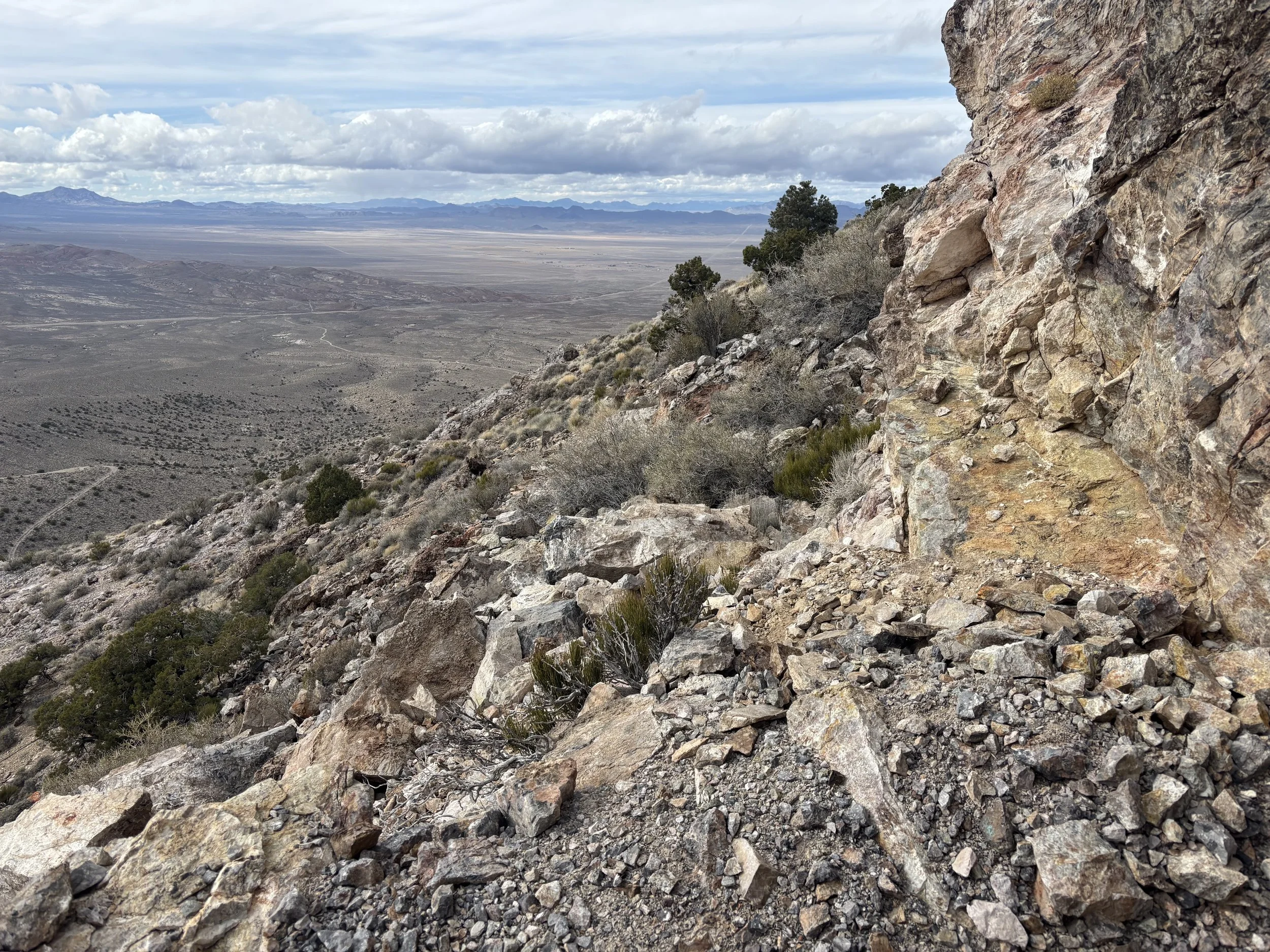
On BLM ground in southern Nevada, accessible by state highway 375 and dirt/gravel roads.
Geologic Setting
The district is underlain by Paleozoic carbonate and siliciclastic rocks intruded by Tertiary felsic dikes and affected by widespread hydrothermal alteration. Mineralization occurs within quartz veins, breccias, jasperoids, and locally carbonate replacement-style bodies developed along major structural corridors. The geology indicates potential for both high-grade epithermal silver veins and replacement-style polymetallic mineralization.
Mining and Exploration History
High-grade silver veins were discovered in 1868 and mined intermittently through the late nineteenth and early twentieth centuries. Historic production focused on shallow, exceptionally high-grade vein material, with reported grades commonly ranging from 400 to 2,500 g/t silver. Mining activity declined due to falling silver prices and logistical challenges rather than depletion of the district's exploration potential.
Exploration Potential
Hilltop has seen little documented systematic exploration since the mid-twentieth century. The combination of a laterally persistent favorable host horizon, multiple hydrothermal fault conduits, intrusive rocks, and calc-silicate alteration supports potential for additional concealed lead-zinc-silver replacement bodies along untested fault intersections, beneath historic workings, and along unexplored portions of the favorable stratigraphic horizon.
The occurrence of scheelite-bearing skarn assemblages further suggests potential for more proximal copper-tungsten skarn mineralization and raises the possibility that the historic Hilltop deposits represent a distal expression of a larger intrusion-related mineral system. Modern geological mapping, geochemistry, geophysics, and targeted drilling could be used to test both extensions of known mineralization and concealed structural targets throughout the district.
Why Hilltop?
Nevada Legacy believes the Hilltop Project offers an opportunity to re-evaluate a historically productive, high-grade polymetallic district that has seen little systematic modern exploration. The combination of exceptional historical underground grades, extensive workings, favorable carbonate stratigraphy, strong structural controls, intrusive activity, and skarn alteration provides multiple avenues for discovery, ranging from additional lead-zinc-silver replacement bodies to more proximal copper-tungsten mineralization associated with the broader intrusive system.
References
Papke, K.G., Geology and Ore Deposits of the Eastern Portion of the Hilltop Mine Area, Cochise County, Arizona, M.S. thesis, University of Arizona, 1952.
Brittain, R.L., Geology and Ore Deposits of the Western Portion of the Hilltop Mine Area, Cochise County, Arizona, M.S. thesis, University of Arizona, 1954.
Dale, V.B., Stewart, L.A., and McKinney, W.A., Tungsten Deposits of Cochise, Pima, and Santa Cruz Counties, Arizona, U.S. Bureau of Mines Report of Investigations 5650, 1960.
Brown, S.D., Mineral Appraisal of the Coronado National Forest, Part 2: Chiricahua-Pedregosa Mountains Unit, Cochise County, Arizona, U.S. Bureau of Mines MLA 12-93, 1993.
View Our Other Projects